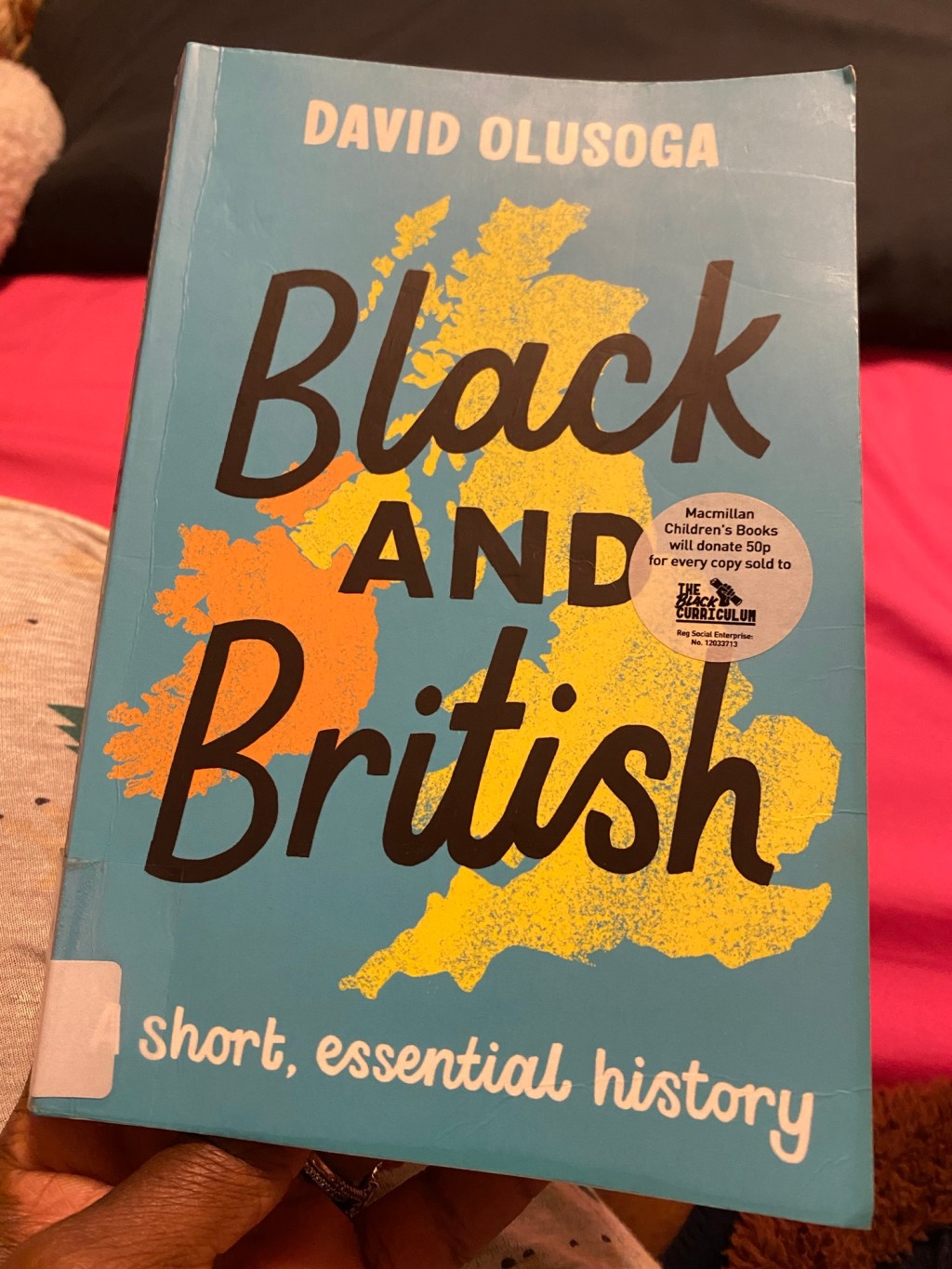
It’s Black History Month, a time to reflect on the significant contributions of Black people throughout history and to appreciate how far we’ve come. This year, I’ve been diving into Black and British by David Olusoga (a book I borrowed from my work library), and it has truly been an eye-opening and captivating read. The book explores the often-overlooked history of Black people in Britain, giving insight into their experiences and the deep-rooted connections between Africa and Britain through the centuries.
As a Nigerian immigrant nurse living in the UK, reading this book has been a fascinating journey. I must admit, while I often prefer to leave the past in the past and focus on the present, Black and British has reminded me of the importance of understanding where we come from. It doesn’t mean dwelling on past injustices or adopting a victim mentality—something I strongly resist—but it does mean acknowledging the profound impact that history has on shaping the society we live in today.

One of the most striking aspects of the book is its exploration of the history of slavery. Olusoga sheds light on how slavery started, how Africans were transported across the seas, and the brutal treatment they endured at the hands of their masters. These accounts are difficult to read, but they are necessary in understanding the sheer scale and horror of the transatlantic slave trade.
What I find particularly interesting is the role Black people played in the development of modern Britain. From slaves and freedmen to soldiers and sailors, Black people contributed to building the foundations of the country as we know it today. This part of history is often overlooked, but it’s crucial to acknowledge that my ancestors played a significant role in shaping Britain’s identity and economy.
Despite the dark history of slavery, I must commend Britain for being one of the first nations to abolish it. The abolition of slavery in Britain was a monumental step towards justice and equality. This act of leadership set the stage for the global abolitionist movement, inspiring other nations to follow suit. While it doesn’t erase the injustices of the past, it was a necessary turning point in the fight for human rights.
What resonates with me most is the balance between acknowledging the past and forging ahead. I refuse to see myself as a victim, and I don’t believe in carrying the weight of history as a personal burden. However, learning about the resilience, bravery, and contributions of Black people to Britain’s history fills me with pride. It reminds me that, despite the hardships faced by those who came before me, their legacy is one of strength and perseverance.
As we celebrate Black History Month, let’s take a moment to honor the stories of the past while also focusing on the future. It’s about acknowledging the struggles, celebrating the victories, and continuing to push for equality and justice in all areas of life.
What are your thoughts on Black History Month? Do you have a favorite book or resource that you’ve found enlightening? Let’s start a conversation in the comments! I’d love to hear about your experiences and reflections on how we can continue to celebrate Black history while moving forward.






 Scrubs and Snuggles
Leave a comment